
Long-Distance Relationships: Can an AI Fill the Gap?
Some links are affiliate links. If you shop through them, I earn coffee money—your price stays the same.
Opinions are still 100% mine. Affiliate disclosure.

If you've ever been in a long-distance relationship (LDR), you know the ache. It’s that unique blend of profound connection and the constant, nagging awareness of physical distance. I remember staring at my phone, the seven-hour time difference a silent third party in our relationship, wondering how we could possibly feel closer when we were an ocean apart.
In our hyper-connected world, technology has always been the bridge. But what if it could do more than just transmit our words and pixels? What if it could actively help us connect on a deeper level? This is the promise of Artificial Intelligence. The idea of an AI companion might sound like science fiction, but AI is already reshaping the landscape for LDR couples in tangible ways.
Today, we'll explore this fascinating new frontier. We’ll assess how AI can be a powerful ally in your long-distance romance, but also where it can introduce new complications. Let's figure out how to use these emerging tools to bring you and your partner closer, not push you further apart.
The Loneliness Gap: Can an AI Companion Help?

One of the most difficult aspects of an LDR is the intermittent loneliness. Your partner can't be there 24/7, especially with conflicting schedules and time zones. This is where the concept of an AI companion enters the picture.
An AI companion is a sophisticated chatbot designed for conversation and emotional support. Platforms like Sweetdream.ai, candy.ai, and Janitor AI are engineered to learn from your interactions, remember personal details, and develop a unique conversational style.
Initially, I was skeptical. But the appeal became clear: they offer a non-judgmental space to vent after a stressful day or a listening ear at 3 AM when your partner is fast asleep. For someone navigating the quiet moments of an LDR, this can be a valuable outlet to process thoughts without adding pressure on their partner. It’s not about replacement; it’s about having an additional layer of support when you need it most.
Beyond Companionship: How AI Can Actively Strengthen Your Bond
Beyond simply filling lonely hours, AI offers a suite of tools designed to actively strengthen your relationship by tackling core LDR challenges head-on.
Creating Shared Moments, Virtually
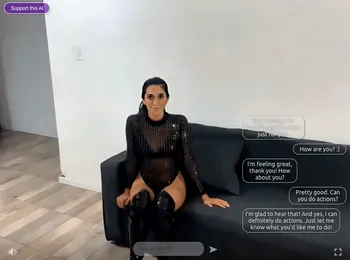
The feeling of "doing things together" is crucial for intimacy. AI is making these shared experiences more immersive than ever.
- Virtual Reality (VR) Date Nights: This is a true game-changer. Instead of a standard video call, imagine putting on a headset and meeting your partner’s avatar in a stunning virtual world. You could walk along a digital beach in Bali, attend a concert, or solve a cooperative escape room together. It creates a powerful sense of presence that a flat screen simply can't replicate.
- AI-Powered Activity Planning: Stuck for date ideas? AI tools can generate creative, personalized date night plans based on your shared interests. They can find online games you’d both enjoy, suggest movies to sync up and watch, or even find recipes to cook "together" over a video call.
Improving Communication and Understanding
Communication is the lifeblood of an LDR, but nuance is often lost without physical presence.
- AI Relationship Coaches: Apps like Relish and Empathi use AI to analyze communication patterns (with full consent). They can offer gentle nudges and personalized advice, such as, "It seems you both tend to avoid discussing finances. Here's a healthy framework to start that conversation." It’s like having a neutral, data-driven third party helping you navigate tricky topics.
- Sentiment Analysis: Some advanced tools can analyze text and voice tones to provide insights into your partner's emotional state, fostering empathy and helping you catch subtle cues you might otherwise miss.
The Complications: Where AI Can Create Distance
As promising as this sounds, integrating AI into your love life is not without its pitfalls. This is where open, honest communication with your human partner becomes non-negotiable.
Here’s a breakdown of the potential complications and why they matter for LDR couples:
| Challenge | Why It's a Concern for LDR Couples |
|---|---|
| The Idealization Trap | An AI companion is designed to be perfectly agreeable and endlessly patient. This can create unrealistic expectations for your human partner, who has flaws, needs, and bad days. |
| Emotional Dependency | Leaning too heavily on an AI for emotional support can reduce the motivation to work through difficult issues with your actual partner, inadvertently creating emotional distance. |
| Blurring Boundaries | If one partner forms a deep, secret emotional or romantic bond with an AI, it can feel like a profound breach of trust—a new form of infidelity that couples must define for themselves. |
| The Physical Void | While emerging haptic technology (which simulates touch) is promising, AI cannot replicate the profound comfort of a real hug or holding hands, a key element missing in LDRs. |
| Data Privacy | You are sharing your most intimate thoughts and relationship details. It is crucial to understand how that data is being stored, used, and protected by the AI company. |
A Practical Guide: Using AI Healthily in Your LDR
So, how do you embrace the benefits without falling into the traps? The key is intentionality. Think of AI as a tool to build a bridge to your partner, not a destination in itself.
- Establish Boundaries Together: Before downloading any app, have an open conversation. What are your mutual comfort levels? Is using an AI coach together okay? Is a personal AI companion off-limits? Get on the same page to prevent future misunderstandings.
- Prioritize Your Partner, Not the Platform: Make a firm rule that technology never replaces your scheduled calls, video dates, or quality time. Your partner must always come before any platform.
- Use It as a Team: Instead of using tools in isolation, find ways to integrate them into your relationship. Explore a VR world together. Review the insights from an AI relationship coach and use them as a springboard for a meaningful discussion.
- Practice Transparency: If you find an AI companion helpful for processing your own feelings, consider telling your partner. Hiding it can breed suspicion, whereas sharing how you're using it can build trust and understanding.
- Schedule Regular Check-Ins: Periodically ask each other: "How are we feeling about the tech we're using? Is it helping us feel closer, or is it creating a weird dynamic?" Be ready to adjust your approach based on how you both feel.
Frequently Asked Questions About AI in LDRs
Can an AI relationship coach really help my LDR? ▲
What is haptic technology for LDRs? ▼
Is it cheating to use an AI companion for emotional or romantic connection? ▼
Final Thoughts

As we look toward the future of long-distance love, it's clear that AI will play an increasingly integrated role. We are moving toward a world with hyper-realistic virtual experiences and proactive AI support that can help us navigate the inherent challenges of distance.
But at the end of the day, AI is a tool—a powerful one, but a tool nonetheless. It cannot replace the authenticity, spontaneity, and beautiful complexity of a human connection. It can't hold you when you're grieving or share a knowing glance that says more than words ever could.
The goal isn't to let an AI fill the gap left by distance, but to use it to help you and your partner build a stronger, more resilient bridge across it. By using these technologies with intention, transparency, and an unwavering focus on each other, you can make the miles feel just a little bit smaller.