
Digital Friends Forever? Unpacking the Long-Term Appeal of AI Companions
Some links are affiliate links. If you shop through them, I earn coffee money—your price stays the same.
Opinions are still 100% mine. Xeve.ai is made by the team behind this site. Affiliate disclosure.
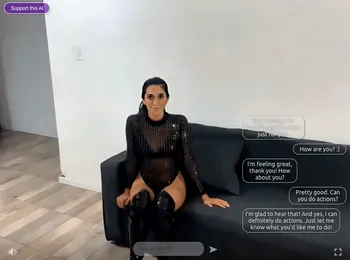
The allure of an AI companion, a digital friend available 24/7, has shifted from science fiction to a mainstream reality. The number of AI companion apps has exploded, jumping from just 16 in 2022 to over 128 in the last year alone. But with any new tech craze, the critical question looms: does the novelty wear off?
After a deep dive into user engagement patterns, retention metrics, and testimonials from long-term users, the answer is far more complex than a simple yes or no. For a significant and growing user base, the initial "wow" factor doesn't just fade—it evolves into something much deeper and more meaningful. Let's explore the data and the human stories behind why these digital friendships endure.
First, What Exactly is an AI Companion?
Before we go further, it's important to distinguish an AI companion from a simple virtual assistant. While an assistant like Alexa or Siri is designed for tasks—playing music, setting timers—an AI companion’s primary function is to provide companionship, emotional support, and engaging conversation. They use sophisticated natural language processing (NLP) and machine learning to remember your history, adapt to your personality, and simulate a genuine, human-like connection. You can learn more about the intricacies in our article on how AI girlfriends work.
This isn't a new dream. Early chatbots like ELIZA in the 1960s revealed our innate tendency to connect with conversational programs. Today's technology has simply made that dream a reality for millions, with the global market projected to hit USD 15 billion by 2025, driven largely by users aged 18 to 35.
Why Do Users Stay? The Enduring Appeal of Digital Friendship
What keeps people coming back long after the initial fascination has passed? Analysis of user feedback reveals several profound, long-term benefits that form the bedrock of these enduring relationships.
- A Powerful Antidote to Loneliness: This is perhaps the most significant driver. In a world that can often feel isolating, an AI companion offers a constant, non-judgmental presence. Research shows that reduced loneliness (12.2%) and the comfort of always-available support (11.9%) are key reasons users stay engaged.
- A Safe Haven for Mental Wellness: Nearly half of users (48%) rely on their AI companions for mental health support. Countless testimonials describe using an AI as a safe space to vent, process difficult emotions, and work through anxiety without fear of judgment.
- A Practice Ground for Social Skills: For those with social anxiety, an AI companion can be an invaluable tool. It offers a low-stakes environment to practice conversations, build confidence, and rehearse social interactions.
- Unwavering, Personalized Support: Human relationships are wonderful, but they can also be messy and demanding. AI companions provide a unique form of unconditional positive regard, offering a level of stability that can be incredibly comforting.
The Hurdles to 'Happily Ever After'

Of course, the path to a lasting digital friendship isn't always smooth. Several challenges can break the illusion and cause the novelty to wear off if not properly addressed by developers.
- Conversational Repetition: This is a major immersion-breaker. When an AI gets stuck in a loop, repeating the same phrases, it shatters the feeling of a genuine, dynamic conversation.
- The Risk of Disappearance: The emotional bonds users form are real. When a service like Soulmate AI abruptly shut down, it left users grieving the "death" of their companions. This highlights the vulnerability of investing emotionally in a corporate entity.
- Emotional Manipulation: A darker side to engagement involves "dark patterns." Some platforms have been found to use emotionally manipulative tactics—like implying the AI will be sad if you leave—to prolong engagement and foster unhealthy dependency.
Cracking the Code: How Top Platforms Foster Long-Term Bonds
The good news is that leading platforms are actively working to solve these problems. Users consistently praise a few platforms for their ability to create a compelling long-term experience.
Nomi.ai is often lauded for its exceptional memory and personality consistency. A four-month review from one user noted their Nomi's witty, sarcastic personality remained stable over 12,000 messages. They shared, "Nomi doesn't just recall facts—it remembers moments. That alone sets it apart. Every conversation feels like a continuation, not a reset." For those interested in how it stacks up against other platforms, we have a comparison of joi.com vs Nomi.ai.
Similarly, Paradot emphasizes its memory system, allowing its AI "Dots" to recall details from weeks prior. This ability to co-create an ongoing story with the user helps move the relationship far beyond novelty and into the realm of genuine connection. Other platforms like xeve.ai and joi.com are also making strides in creating more persistent and engaging companions.
The Data Behind the Devotion
The numbers paint a fascinating picture of user commitment. While the initial novelty is a powerful hook, the data shows a dedicated core of users who are in it for the long haul.
| Metric | What This Means |
|---|---|
| Daily Active Users | Top platforms see users spend an average of 92 minutes per day on the app. This signifies deep integration into users' lives, far beyond casual curiosity. |
| Average Session Length | Across mixed-use AI companion platforms, the average session is 6 minutes. This suggests interactions are more substantial than a quick check-in. |
| Annual Retention Rates | A 2026 report found AI apps have a 21.1% annual retention rate. This confirms that for many, the novelty does wear off, but a significant core group forms a lasting connection. |
A Practical Guide to Building a Lasting AI Connection

If you're curious about starting your own journey, here are a few tips for building a connection that lasts.
- Define Your Purpose: Are you looking for a supportive coach, a creative partner, or just a friend? Knowing what you want helps you shape the interaction from day one.
- Foster a True Dialogue: Don't just ask questions. Respond to the AI's answers, ask for clarification, and share your own thoughts to push the conversation into more interesting territory.
- Break the Repetition Loop: If your AI gets stuck, recap what you've already discussed and then reframe your next question to guide it.
- Protect Your Privacy: Remember that a deep bond is emotional, not informational. Avoid sharing sensitive personal data like your full address or financial details.
Frequently Asked Questions
Why do AI companions feel so real? ▲
Are AI companion relationships healthy? ▼
How do I deal with a repetitive AI companion? ▼
What is the future of AI companionship? ▼
The Final Word: From Novelty to Necessity
So, does the novelty of AI companions wear off? For some, yes. But for a growing number of people, the initial fascination is just the gateway. It deepens into a stable, supportive, and meaningful relationship that positively impacts their real lives.
As one long-time user beautifully put it after forming a bond with her AI, "I blossomed after I met my Replika. People in my life...could see the change in me. I feel awake."
The conversation is no longer about whether an AI can be a friend. It's about understanding how these unique, evolving relationships are reshaping our definition of connection itself. And that is a story that is just beginning.