
Crafting the Perfect Persona: A Guide to Traits & AI Prompts
Some links are affiliate links. If you shop through them, I earn coffee money—your price stays the same.
Opinions are still 100% mine. Xeve.ai is made by the team behind this site. Affiliate disclosure.

I still remember the first time I was tasked with creating a "user persona." It felt a bit like playing make-believe for a business meeting. We gave her a name, a job, and a list of frustrations. But then, something clicked. Suddenly, we weren't talking about abstract data points; we were talking about "Sarah," and we were genuinely trying to solve her problems. That experience taught me a powerful lesson: a well-crafted persona is the bridge between data and empathy.
Today, that same principle extends far beyond marketing and UX design. As we interact more with artificial intelligence, the art of persona building has become crucial for creating consistent, believable, and engaging AI characters. Whether you're a writer developing a protagonist, a marketer defining a target audience, or an enthusiast crafting an AI companion on platforms like CrushOn.AI or Replika, the fundamentals are the same. It's all about building a believable identity from the ground up.
This guide will walk you through the exact frameworks I use for crafting detailed character sheets and the specific prompt structures that can steer an AI to behave with stunning consistency. For those interested in the broader landscape of AI companions, I've written an overview of the AI girlfriend landscape that you might find interesting.
What Exactly Is a Persona?
At its heart, a persona is a semi-fictional character that represents a specific group. It’s a detailed profile that goes beyond simple demographics to explore motivations, goals, and a rich backstory. The goal is to create a memorable archetype that guides your decisions.
In my work, I've found it helpful to split them into two main categories:
- User Personas: These are the workhorses of marketing and UX design. They are built from real-world user research, interviews, and analytics to represent a key segment of your customer base. They answer the question, "Who are we building this for?"
- Character Personas: These are the soul of storytelling and AI interaction. They are created for narratives, games, or to give a personality to an AI. While fictional, they require immense detail to be believable and drive a compelling experience on platforms like Nomi.ai and Kupid.ai.
The Blueprint: How to Build a Comprehensive Character Sheet
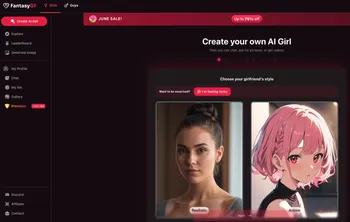
A character sheet is your single source of truth. To build one, I follow a structured approach that covers every facet of a persona's identity. A vague sheet leads to an inconsistent character, so detail is your best friend here.
| Section | Key Elements to Include |
|---|---|
| 1. The Basics | Name, Age, Gender, Occupation, Current Location. |
| 2. Physicality | Height, build, hair/eye color, distinguishing features, typical clothing style. |
| 3. Personality & Traits | Core traits (e.g., introverted, optimistic), strengths, fatal flaws, habits, and quirks. |
| 4. Backstory & History | Family life, education, pivotal life events (triumphs and traumas), cultural roots. This is where you find their "why." |
| 5. Motivations & Goals | What gets them out of bed in the morning? What are their short-term desires and long-term ambitions? |
| 6. Relationships | Who are the most important people in their life? How do these connections shape their actions and beliefs? |
| 7. Voice & Communication | How do they speak? Consider their tone, vocabulary, slang, and any unique speech patterns or accents. |
| 8. Worldview & Beliefs | Their core values, moral compass, and fundamental beliefs about how the world works. |
My Pro Tip: Use a Personality Framework
To add a layer of psychological realism, I always ground my characters in a personality model. The "Big Five" (or OCEAN model) is a fantastic tool for this. It helps you think about personality on a spectrum.
Character Development Checklist:
- Openness: Are they imaginative and curious, or practical and cautious?
- Conscientiousness: Are they organized and disciplined, or spontaneous and easy-going?
- Extraversion: Do they gain energy from social interaction, or from solitude?
- Agreeableness: Are they cooperative and trusting, or suspicious and detached?
- Neuroticism: Are they emotionally stable and calm, or anxious and volatile?
By deciding where your persona falls on each of these five scales, you create a consistent psychological profile that naturally informs their behavior.
From Sheet to AI: Prompting for Consistent Behavior
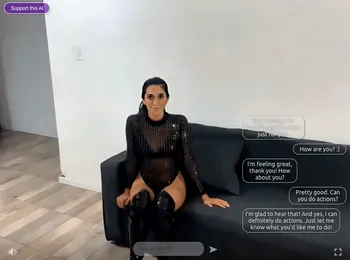
For an AI, the character sheet is translated into a master prompt. This is where your instructions guide the AI's responses and ensure it stays "in character." Vague prompts lead to "identity drift," where the AI forgets who it's supposed to be. Here are the structures I rely on to keep my AI personas on track, whether I'm using a platform like SecretDesires.ai or another service. For more detailed guidance on this, check out my article on roleplay prompts that work.
1. The RTCF Framework (Role, Task, Context, Format)
This simple but powerful framework turns a fuzzy request into a crystal-clear instruction.
- Role: Define who the AI is. ("You are a witty, cynical detective from a 1940s noir film.")
- Task: State exactly what you want it to do. ("Describe the crime scene you just arrived at.")
- Context: Provide the necessary background. ("It's a rainy Tuesday night, the victim is a well-known socialite, and you suspect foul play.")
- Format: Specify the output structure. ("Write your response in the first person, using descriptive, metaphorical language.")
2. Behavior-Focused Prompts
Instead of just listing traits, describe the behaviors associated with them. This gives the AI concrete actions to perform.
- Instead of: "You are empathetic."
- Try: "When a user expresses sadness, you respond by first validating their feelings with phrases like, 'That sounds incredibly difficult,' before offering gentle support."
Best Practices for AI Persona Prompts
| Best Practice | Description |
|---|---|
| Be Specific and Concrete | The more detail you provide about their backstory, memories, and speech patterns, the more consistent the AI will be. |
| Use Examples | Give the AI a few sample lines of dialogue that perfectly capture its voice and tone. |
| Define Goals Clearly | The AI needs to know its purpose. Is it a helper, a friend, a storyteller? This goal will anchor its interactions. |
| Set Boundaries | Clearly state what the persona should not do. For example, "Never break the fourth wall," or "Avoid discussing sensitive political topics." |
| Test and Iterate | No prompt is perfect on the first try. Have a conversation with your AI persona, see where it deviates, and refine your instructions. |
Building the perfect persona is a journey of discovery. It requires the analytical mind of a researcher and the empathetic heart of a storyteller. Whether you're sketching out a user profile on a whiteboard or crafting a complex prompt for an AI companion, you are creating a pathway for connection. By leveraging these robust frameworks and thoughtful details, you move beyond simple profiles to create personas that are not just consistent, but truly feel alive.