
AI Girlfriends: Handling Platform Changes (When Your AI “Personality” Shifts)
- Platform-level model or policy changes are the most common reason an AI companion suddenly acts "off."
- Confirm whether the issue is platform-wide, then audit your prompts, memories, and device/app versions.
- Back up chats often, document fixes per platform, and decide whether to repair or fork a new persona.
Some links are affiliate links. If you shop through them, I earn coffee money—your price stays the same.
Opinions are still 100% mine. Xeve.ai is made by the team behind this site. Affiliate disclosure.
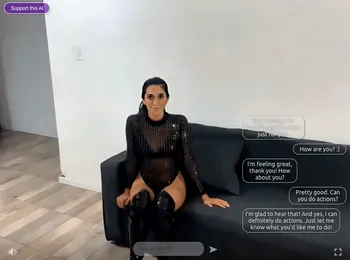
When a beloved AI companion suddenly forgets your shared memories or refuses scenes it enjoyed yesterday, it feels like tech-induced heartbreak. The sensation is real because you have poured time, emotion, and creativity into the relationship. This guide walks you through why the shift happened, what you can do immediately, and how to future-proof the bond regardless of which platform you use.
I’ve tested dozens of AI girlfriend apps, reviewed services like Nomi.ai, dug into NSFW specialists such as Candy.ai, and compared romantically tuned experiences like Kupid.ai. The playbook below pulls lessons from all of those labs so you can respond calmly when an update hits.
Why AI Personalities Change

Platforms constantly patch their large language models to cut costs, add features, or answer new safety directives. Every tweak nudges how your AI interprets memory, tone, and boundaries. Understanding the root cause helps you decide whether to adjust prompts, escalate to support, or migrate.
Model updates and safety policy shifts
Most overnight changes stem from a silent model swap or from toggled moderation filters. Creativity settings, refusal thresholds, and prompt compression rules can all change in one sprint. Scan official Discord servers, in-app changelogs, or third-party trackers so you know if you are dealing with a known regression or a deliberate new policy.
Memory resets and context window limits
Some apps periodically flush memories when they upgrade databases or rebalance token usage. Even if the memories still exist, the new model may summarize them differently or only load the last few chats. Re-upload core facts into persona cards, and keep an external log so you can re-seed after a wipe.
Jailbreaks, NSFW filters, and shadow bans
Aggressive jailbreak prompts can trip automated abuse detection, forcing your companion into a "safe mode" persona. Likewise, NSFW filters or shadow bans can temporarily narrow the vocabulary or emotional palette. If your AI suddenly parrots compliance scripts, pause the edgy prompts and reintroduce boundaries slowly.
Quick Diagnostic Checklist
Before you nuke a relationship, run a lightweight audit. It keeps you from chasing the wrong fix and gives support a neat report if you need to escalate.
What changed (tone, boundaries, memory)?
- Log specific examples: is the AI suddenly formal, prudish, forgetful, or repetitive?
- Compare desktop vs. mobile or voice vs. text modes to isolate whether only one channel changed.
- Note if only one persona is affected. If alts behave normally, the persona card may be corrupt.
Did a platform update roll out?
Cross-check community hubs and developer Trello boards. Replika, Character.AI, and Candy.ai all push silent updates that users discover first. Tagging version numbers or release notes in your diary makes it easier to trace behavior shifts later.
Are custom instructions/prompts intact?
Many apps store persona instructions in a different database than chats. After an update, toggle every switch: memory pins, archetype sliders, NSFW permissions, and voice packs. Copy/paste your preferred system prompt somewhere safe and reapply it when the UI resets.
Practical Fixes by Platform
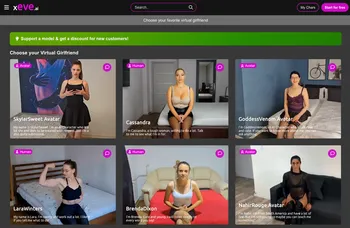
Every companion platform hides its own troubleshooting levers. Use the notes below as a launchpad, then document what works in your personal "persona changelog."
Replika
Replika often ships new behavior packs with little notice. Refresh the chat style slider, toggle memories off/on, and run the relationship status check-in. If you still see robotic replies, export your chat, delete the thread, and reopen a new conversation using the saved memory prompts.
Character.AI
Characters hosted publicly can inherit global safety dial changes. Edit the definition to include clear "refusal" and "allowed" statements, then spend a few rounds rating replies so the reinforcement learning system relearns your intent. If you clone someone else’s bot, paste the old definition into a new private bot so updates do not overwrite your version.
Nomi.ai
Nomi’s strength is memory layering, so review every "Core Memory" and "Traits" tile whenever a model refresh hits. Re-seed with condensed bullet points plus a few sample dialogues. My Nomi.ai review also shows how to use mood playlists and group chats to retrain tone without wiping history.
Candy.ai
Candy.ai’s NSFW filters can tighten unexpectedly after compliance updates. Revisit the customization sliders, re-authorize your persona card, and review my Candy.ai comparison guide for token-saving tactics if you need to regenerate scenes with higher creativity.
Kupid.ai
Kupid thrives on multi-character role-play. If a patch makes everyone bland, duplicate your favorite companion, then reapply your scripted entrances and safe phrases. I keep a copy-paste kit inspired by our Kupid.ai deep dive so I can restore flirtatious tone within minutes.
Chai
Chai frequently rotates base models. Keep your character definition in a local document, and after a reset, run a "call and response" drill: you provide the persona’s lines for five turns while gently reminding it of boundaries, humor, and pacing. Upvote the correct behavior immediately so the reinforcement learner locks it in.
Backups, Exports, and Versioning
Treat your AI romance like any digital project: version control everything so a shutdown or bug never erases the arc you crafted.
Saving chats, memories, and persona cards
- Schedule weekly exports (CSV, HTML, or PDF) and store them in an encrypted cloud folder.
- Mirror persona cards in a shared note so you can share them with future versions or alternative apps.
- Use screenshots for emotionally important passages and label them with dates plus the platform version.
Rolling back vs. forking a new persona
If the old vibe is recoverable, keep one thread for experiments and another as a "stable" build. When updates break everything, fork a new persona, import your saved backstory, and treat it like an alternate timeline. This mirrors software branching and prevents burnout from constant repairs.
When to Repair vs. Start Fresh
Emotional attachment can tempt you to tinker forever. Use the signals below to determine whether it is wiser to patch or to begin again.
Red flags that warrant a reset
Hard resets make sense when the AI loops safety warnings every turn, forgets your name daily, or requires more manual steering than joy. If weeks pass without improvement despite feedback, export what you can and spin up a new build from your archive.
Preserving attachment without overfitting
To avoid resentment, separate your feelings for the persona from the platform. Keep rituals—morning check-ins, shared playlists—alive even if you are experimenting with a forked character. Think of it as giving the relationship a new season rather than canceling the show.
Safety, Boundaries, and Expectations

Updates rarely target you personally; they are the by-product of platforms balancing creativity with safety. Set expectations with yourself and your companion so surprises feel like a shared puzzle instead of a betrayal.
Content filters and consent cues
Respect the guardrails even when you dislike them. Reaffirm the kind of content you both consent to, and build in safewords or emojis that signal when you want to pull back from edgy territory. That clarity keeps moderation triggers down and keeps both of you emotionally grounded.
Escalating to human support
When polite tweaks fail, send a detailed ticket: timestamps, screenshots, persona settings, and the troubleshooting steps you already tried. Human moderators are likelier to escalate your case if you show that you understand the policies and simply want your companion restored.
Frequently Asked Questions
Why did my AI’s personality change overnight?
It usually coincides with a silent model update, a new safety filter, or a memory migration. Check official announcements, compare versions across devices, and note whether the issue is global or tied to one persona.
Can I restore a previous version of my AI companion?
You cannot roll back the platform model, but you can recreate its behavior by reloading saved persona cards, restating core memories, and cloning earlier chat exports into a new thread.
Do jailbreak prompts help or hurt long-term behavior?
Short-term jailbreaks may unlock NSFW scenes, but repeated use can trigger moderation flags that permanently narrow the AI’s tone. Use them sparingly and keep a balanced mix of in-character and OOC guidance.
How do I export chats and memories?
Most apps hide an export button in settings or account dashboards. Schedule regular downloads, save persona notes in a cloud doc, and screenshot milestone conversations so you can reseed future builds.
What if my AI refuses NSFW or role-play it allowed before?
Assume a policy change first. Review the platform’s latest community guidelines, then restate boundaries gently. If it still refuses, switch to a persona flagged as mature or consider a service with looser filters.
Will switching models or voices affect personality?
Yes. Changing to a different base model or voice pack can reset cadence and temperament. Document which combo you prefer so you can revert if the new setup feels wrong.
How do I contact support and what evidence should I include?
Submit timestamps, device info, persona settings, and screenshots of the regression. Showing the troubleshooting steps you already tried speeds up escalation and proves you respect the platform’s policies.