
Subscription Tiers: How to Create Plans Users Genuinely Value
Some links are affiliate links. If you shop through them, I earn coffee money—your price stays the same.
Opinions are still 100% mine. Affiliate disclosure.
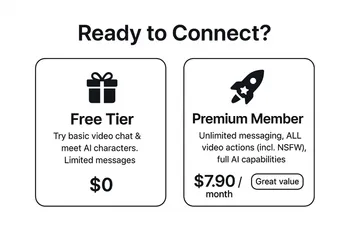
Hey there, I’m Tom. Like many of you, I feel like I'm living in the "subscription economy." From my morning news to my evening entertainment and the tools I use for work, recurring payments have become a normal part of life. But I’ve noticed something: not all subscriptions are created equal. Some feel like a bargain, while others leave me wondering what I’m even paying for.
This got me thinking and digging deep into what separates a subscription that users tolerate from one they genuinely cherish. The secret, I've found, lies in a well-crafted tiered pricing strategy. It’s about more than just offering a basic, standard, and premium option. It’s about understanding human psychology and delivering real-world satisfaction that goes far beyond a service's core function.
In this guide, I’ll walk you through how to design subscription tiers that your users will actually value, with a special focus on identifying those premium perks that make upgrading an easy decision.
Why Tiers? The Power of Choice and Perceived Value
At its heart, a tiered subscription model is about giving people options. I know I appreciate it when I'm not forced into a one-size-fits-all plan. This strategy recognizes that customers have different needs and budgets. By offering choices, you empower users, giving them a sense of control that builds trust right from the start.
The success of this entire model hinges on a concept called perceived value. Each tier must offer a clear, distinct benefit that justifies its price. When a user looks at your pricing page, they should immediately understand what they get for their money. This transparency is key to building a successful subscription business model.
My 5-Step Framework for Designing Winning Tiers
Creating your first set of subscription plans can feel overwhelming. I’ve broken down the process into five manageable steps that I've seen work time and time again.
A Checklist for Building Your Tiers:
- Step 1: Understand Your User Segments: Who are you serving? A freelancer has different needs than a large corporation. I always start by creating simple user personas. Group your audience by their goals, behaviors, and what they're willing to pay. This is the foundation of any good user segmentation.
- Step 2: Identify Your Value Metric: This is what you actually charge for. Is it per user, per project, or per gigabyte of storage? Your value metric should align with how your customers get value from your product. As their usage grows, their plan should naturally grow with them.
- Step 3: Map Features to Tiers (Feature Fencing): List every feature your product offers. Now, assign them to tiers. The basic tier should offer the core experience, the mid-tier should be the perfect fit for your main audience, and the premium tier should house your most powerful, resource-intensive features. You can see a great breakdown in my AI companion features comparison.
- Step 4: Price Your Tiers Strategically: Pricing is a delicate balance. Use price anchoring by making your premium tier the high-value, high-price option; this makes your middle tier look like a fantastic deal. Also, prices like $19.99 often feel much cheaper than a flat $20.
- Step 5: Communicate Clearly and Iterate: Your pricing page should be simple. Use checkmarks and clear language. After you launch, pay close attention to the data. See which tiers are popular, gather feedback, and don’t be afraid to make adjustments.
The Secret Sauce: Premium Perks That Go Beyond Basic Chat
So, how do you convince someone to upgrade? The answer lies in the premium subscription perks. The basic tier gets them in the door, but the premium tier needs to offer something that delivers tangible, real-world satisfaction.
Think about AI companion apps, for example. The basic function is chat. But the premium tiers on platforms like Soulmate AI, CrushOn.AI, and OhChat offer value far beyond that: more messages, a better AI memory for continuous conversation, access to more advanced AI models, and even voice calls. They aren't just selling more chat; they're selling a deeper, more immersive, and more personalized connection.
Through my research, I've found that the most effective premium perks fall into five key categories that tap into fundamental human desires.
| Category | Premium Perks | Real-World User Satisfaction & Psychological Benefit |
|---|---|---|
| Convenience & Time-Saving | - Ad-Free Experience - Priority Customer Support - Automation & Advanced Tools - Early Access to New Features | Reduces stress and frustration. Users feel their time is respected, leading to a more efficient and positive experience. |
| Cost Savings & Financial Benefits | - Free Shipping - Exclusive Discounts - Bundled Services - Cashback or Loyalty Points | Creates a sense of being a smart shopper. Users feel they are getting more for their money, which enhances their satisfaction. |
| Exclusive Access & Content | - Exclusive Content (videos, articles) - Members-Only Events - Limited Edition Products - Behind-the-Scenes Content | Fosters a sense of belonging. This taps into the human need for connection and makes users feel special and part of an exclusive community. |
| Status & Recognition | - VIP Status or Badge - Personalized Onboarding - Access to a Private Community - Direct Access to Experts | Appeals to the desire for social standing. Feeling like a VIP enhances a user's self-esteem and emotional connection to the brand. |
| Personal Growth & Development | - Advanced Analytics - Personalized Coaching - In-depth Courses & Training - Customizable Features | Empowers users to achieve their goals. This creates a powerful sense of accomplishment, making the subscription feel like a worthwhile investment. |
By focusing on these areas, you can craft a premium tier that doesn't just offer more features but delivers a genuinely better experience, boosting customer retention and customer lifetime value (CLV).
As we head further into 2026, I believe this trend will only accelerate. The future of subscriptions lies in hyper-personalization, flexible plans, and a deep focus on community and exclusive experiences. The companies that thrive will be those that master the art of the upgrade by providing undeniable value at every level.