
Beyond the Basic Plan: How to Create Subscription Tiers Users Actually Value
Last Updated: March 25, 2026
Some links are affiliate links. If you shop through them, I earn coffee money—your price stays the same.
Opinions are still 100% mine. Affiliate disclosure.
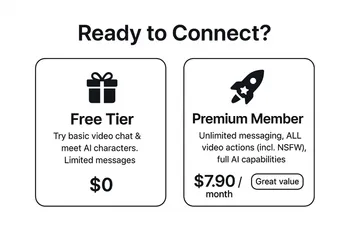
In the booming subscription economy, a tiered pricing model is standard practice. But simply having a "Basic," "Pro," and "Enterprise" plan is no longer enough. The difference between a subscription that users cherish and one they cancel after the trial ends lies in the perceived value of the upgrade.
The real challenge is crafting premium tiers that resonate so deeply with users that upgrading feels like a natural, exciting step. It's about moving beyond the core function—like basic chat or simple data access—and offering perks that provide genuine, real-world satisfaction.
This guide breaks down the art and science of the upgrade. We'll explore the psychology behind tiered pricing and identify the specific premium perks that convince users not just to subscribe, but to become loyal advocates for your brand.
The Psychology of Choice: Why Tiers Work
Before designing your perks, it’s crucial to understand why tiered models are so effective. Offering different tiers isn't just about varied price points; it's about giving users a sense of control and autonomy.
A well-structured set of tiers (three is often the sweet spot) allows customers to self-select the plan that best fits their needs and budget. This simple act of choice increases satisfaction and leverages powerful psychological principles:
- The Compromise Effect: When presented with three options (low, mid, high), many people naturally gravitate toward the middle one, perceiving it as the most balanced and reasonable choice.
- Value Anchoring: The high-end tier, even if few select it, makes the mid-tier plan seem more affordable by comparison.
- Perceived Value: Ultimately, the goal is to ensure the features and benefits offered in a tier feel more valuable to the user than the price they are paying. For a deeper dive into pricing strategies, check out Nick Kolenda's comprehensive list on The Psychology of Pricing.
Identifying Premium Perks That Deliver Real Satisfaction
So, how do you convince someone to move from a free or basic plan to a premium one? The secret lies in offering a strategic mix of tangible benefits that solve problems and intangible benefits that fulfill emotional needs.
Tangible Perks: Concrete Value and Convenience
These are the practical, easily quantifiable benefits. They save users time, money, or effort, making the subscription feel like a smart, logical investment.
| Category | Examples | Real-World Value |
|---|---|---|
| Enhanced Functionality & Access | - Advanced analytics or pro-level editing tools - Increased storage or message limits - Early access to new features - An ad-free experience | Improves productivity, removes frustrating limitations, and provides a sense of exclusivity and uninterrupted focus. |
| Exclusive Content & Resources | - In-depth reports and whitepapers - Specialized training courses - Access to exclusive templates or tools | Provides valuable knowledge and resources that help users achieve their professional or personal goals faster. |
| Discounts & Financial Incentives | - Free or discounted shipping - Member-only discounts on other products - Loyalty points or cashback | Directly saves users money, making the subscription feel like it pays for itself. |
| Personalized Services | - One-on-one consultations - Priority customer support - AI-powered personalized recommendations | Offers tailored guidance and a more efficient experience, making users feel seen and valued. |
Intangible Perks: Status, Community, and Connection
These benefits are about emotion. They appeal to our innate desire for connection, recognition, and belonging, fostering a much deeper and more resilient loyalty to your brand.
| Category | Examples | Real-World Satisfaction |
|---|---|---|
| Community & Networking | - Access to an exclusive Slack or Discord group - Invitations to member-only virtual events - Peer-to-peer networking opportunities | Creates a powerful sense of belonging and provides valuable connections with like-minded people. |
| Status & Recognition | - A special badge on a user profile - Public recognition for contributions - "VIP" treatment | Appeals to the human desire for status, making users feel important and respected within the community. |
| Exclusive Experiences | - Behind-the-scenes content - Q&A sessions with company founders or creators - A chance to vote on new features | Provides unique, memorable experiences that create a strong sense of being an insider. |
| Peace of Mind | - Enhanced security features - A "happiness guarantee" with easy cancellations - Supporting a brand that aligns with their values | Builds trust and confidence, reducing anxiety and creating a positive emotional connection. |
A Modern Example: Value Beyond Basic Chat
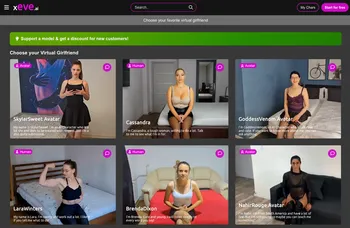
To see this in action, look no further than the world of AI companions. The basic function is simple chat, which is often free. The business model, however, is built on premium tiers that deepen the user's sense of connection and immersion. Platforms like Soulmate AI, xeve.ai, and Anima AI are great examples of this model.
A free user might get a limited number of messages. But when they upgrade, they unlock a world of tangible and intangible value:
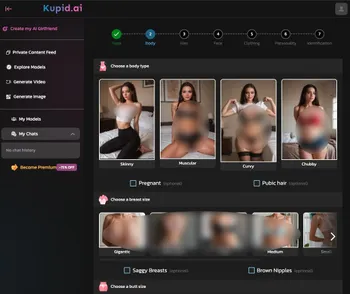
- Tangible (Multimedia Interaction): Premium users can often receive voice messages and AI-generated images, making the companion feel more real and the experience more dynamic.
- Tangible (Deeper Personalization): Paid tiers on platforms like SecretDesires.ai and Kupid.ai boast enhanced memory, allowing the AI to recall past conversations and build a continuous, evolving relationship.
- Intangible (Unrestricted Connection): A key driver for upgrades is removing message limits and unlocking more advanced, emotionally intelligent AI models for more nuanced conversations, fulfilling a need for deeper connection.
This perfectly illustrates the principle: the core function gets users in the door, but the premium perks—those that enhance the emotional connection and create a more vivid experience—are what they’ll happily pay for. You can explore more about the differences between free and paid tiers in our article on AI Companions: Free vs. Paid.
How to Build Valuable Subscription Tiers: A 6-Step Framework
Ready to structure your own tiers? Follow this framework to create a value ladder that encourages users to upgrade.
- Define Your Value Metric
First, identify the core way users get value from your service. Is it per user, per project, by usage (like storage), or by feature access? This becomes the primary axis along which your tiers will scale. - Segment Your Customers
Create clear personas for your different user groups (e.g., "The Casual Hobbyist," "The Freelance Professional," "The Small Agency"). What does each one truly need? What are their pain points and goals? - Map Features to Tiers
Brainstorm all your current and potential features. Assign them to tiers so that each level offers a clear step-up in value. Your basic tier should solve a simple problem, while your premium tiers solve more complex or specialized ones. - Price Based on Value, Not Cost
Don't just calculate your costs and add a margin. Your pricing should reflect the immense value and problem-solving power you're delivering to each customer segment. - Communicate the Value Clearly
Use a simple comparison chart on your pricing page. Make it incredibly easy for users to see the benefits of upgrading. Use checkmarks, concise descriptions, and highlight the "Most Popular" option to guide their decision. - Monitor, Test, and Iterate
Pricing is never "done." Constantly gather customer feedback, monitor feature usage data, and A/B test different approaches to refine your tiers over time.
Ultimately, creating subscription tiers that users value is an ongoing conversation with your customers. It’s about listening to their needs, understanding what truly satisfies them, and building a value ladder they are excited to climb. By focusing on a thoughtful mix of tangible problem-solving and intangible emotional fulfillment, you can move beyond a simple transaction and build a loyal, engaged community that will be the cornerstone of your success.